
Early Signs of Diabetes You Should Never Ignore

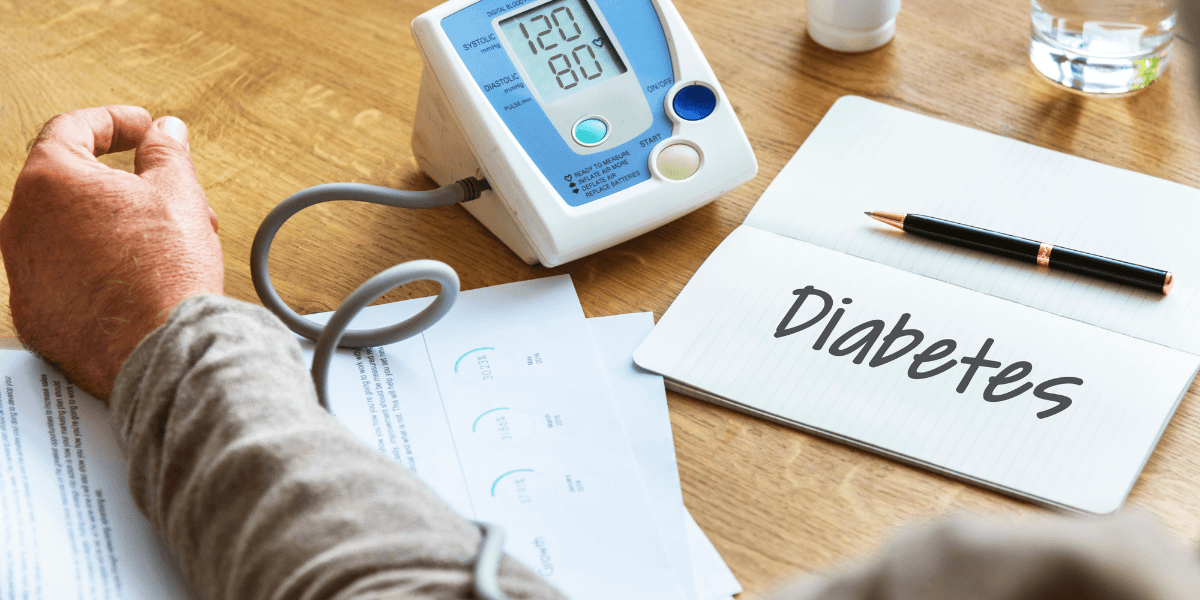
Diabetes is one of the most common health conditions worldwide, yet many people do not recognize its early symptoms until it has already progressed. The body often gives subtle signals before a diagnosis, but these signs are easy to overlook or dismiss.
Understanding the early signs of diabetes can help you take action before complications develop. In this guide, we will walk you through the most important warning signs, why they happen, and when you should seek medical advice.
What Is Diabetes and Why Early Detection Matters
Diabetes refers to a disorder that affects how your body processes glucose. It is the main source of energy for your cells. When your body cannot produce enough insulin or use it effectively, blood sugar levels rise.
High blood sugar over time can damage organs, nerves, and blood vessels. This is why recognizing symptoms early is so important. Learning how to detect diabetes early allows you to begin treatment sooner.
Who Is at Risk of Developing Diabetes?
Understanding risk factors plays a key role in learning how to detect diabetes early. While diabetes can affect anyone, certain groups are more likely to develop the condition.
- A strong family history is one of the most significant risk factors. If close relatives have diabetes, your chances are higher.
- Lifestyle choices also have a major impact. Being overweight, having a sedentary routine, or consuming processed foods can increase your risk.
- Age is another important factor. As people grow older, especially after 40, the body’s ability to regulate blood sugar may decline. However, it is important to note that diabetes is now increasingly seen in younger individuals as well.
- Other health conditions can also contribute. High blood pressure, high cholesterol, and hormonal disorders can raise the likelihood of developing diabetes. Women who have had gestational diabetes are also at greater risk later in life.
- Environmental and lifestyle factors often work together. If you fall into one or more of these categories, paying attention to diabetes warning signs becomes even more critical. Regular health check-ups can help detect changes early and allow for timely intervention.
Common Early Signs of Diabetes
Many people experience mild symptoms at the beginning. These may seem harmless at first, but they should not be ignored. Here are some of the most common early diabetes symptoms to watch for.
Frequent Urination
One of the earliest indicators is needing to urinate more often than usual. High blood-glucose levels force the kidneys to work harder. This increases urine production.
Increased Thirst
Frequent urination can lead to dehydration. This causes persistent thirst, even if you are drinking enough fluids.
Unusual Hunger
When the body cannot use glucose properly, it struggles to produce energy. This can leave you feeling hungry more often than usual.
Fatigue and Low Energy
Constant tiredness is a common symptom. Your body is not using sugar efficiently, which can make you feel drained throughout the day.
Blurred Vision
High blood sugar may also affect the lenses of your eyes, leading to temporary vision changes.
Slow Healing of Wounds
Wounds and bruises may take longer to heal because high glucose levels can affect blood circulation and immune response.
Additional Diabetes Warning Signs You Should Notice
Apart from the common symptoms, there are other diabetes warning signs that may appear gradually. These signs are often overlooked but are just as important.
Unexplained Weight Loss
Losing weight drastically without trying can be a sign that your body is not using glucose properly and is breaking down muscle and fat for energy.
Tingling or Numbness
Some people experience tingling in their hands or feet. This can be linked to nerve damage caused by high blood sugar.
Frequent Infections
High glucose levels may also weaken the immune system, making infections more common.
Dry Skin
Dehydration and poor circulation may lead to dry or itchy skin.
Darkened Skin Areas
Certain areas of the skin, especially around the neck or underarms, may become darker. This can be linked to insulin resistance.
Why Do These Symptoms Occur?
The symptoms of diabetes develop because your body is no longer able to manage glucose efficiently. Under normal conditions, insulin helps move glucose from your bloodstream into your cells. When insulin production is too low, or your body becomes resistant to it, glucose starts to build up in the blood instead of being used.
This imbalance triggers a chain reaction throughout your body. Your kidneys begin working harder to remove excess sugar through urine, which leads to frequent urination. As fluid levels drop, dehydration sets in, causing persistent thirst. At the same time, your cells are not receiving enough energy, which explains constant fatigue and increased hunger.
High blood sugar also affects blood circulation and nerve function. This can lead to slow healing, tingling sensations, and changes in vision. Over time, if glucose levels remain elevated, the strain on your organs increases. This is why identifying the early signs of diabetes is so important. Early action can prevent long-term damage and help restore balance before complications develop.
Managing Diabetes After Early Detection
Once diagnosed, diabetes care becomes part of your everyday routine. Early detection makes it easier to manage symptoms and prevent complications. Here are some tips:
- Adopt Healthy Lifestyle Changes: Focus on building habits that support stable blood sugar levels. This includes making mindful choices in your daily routine.
- Follow a Balanced Diet: Choose nutrient-rich foods that help regulate glucose levels. Limit processed foods to maintain better control.
- Stay Physically Active: Regular exercise aids your body in using insulin more effectively and supports overall health. Even moderate activity can make a difference.
- Monitor Blood Sugar Levels: Keep track of your glucose levels as advised by your doctor. This helps you understand how your body responds to food, activity, and medication.
- Take Medication if Prescribed: Some individuals may require medication to manage diabetes. Always follow your doctor’s instructions carefully for the best results.
- Maintain a Healthy Weight: Achieving and maintaining a healthy weight may improve blood sugar control and reduce the risk of complications.
- Schedule Regular Check-Ups: Routine medical visits help detect any changes early and ensure your treatment plan remains effective.
- Focus on Preventive Care: Take steps to protect your long-term health by managing blood pressure, cholesterol, and other related factors.
- Stay Consistent with Healthy Habits: Small, consistent actions over time can lead to better control and improved overall well-being.
Managing diabetes often requires ongoing care and access to reliable medication. Having a trusted source for your healthcare needs is essential. If you are looking for reliable diabetes medicine in Pakistan, Jasmeds ensures quality, fast delivery, and a seamless experience. We offer a convenient way to access authentic medications online.
When Should You See a Doctor?
Many people ignore mild symptoms, assuming they are temporary. However, persistent signs should never be overlooked.
If you experience ongoing fatigue, increased thirst, or frequent urination, consult a healthcare professional immediately. These are common early diabetes symptoms that may indicate rising blood sugar levels. Experiencing more than one symptom at the same time increases the need for medical attention.
You should also seek advice if you notice sudden weight changes, blurred vision, or slow-healing wounds. Even if symptoms seem manageable, early testing provides clarity and peace of mind. A doctor can recommend appropriate tests and evaluate your overall health. Early diagnosis allows you to take control of your condition before it progresses. Acting early can reduce the risk of complications and make treatment more effective.
Conclusion
Recognizing the early signs of diabetes can make a life-changing difference. Symptoms like frequent urination, fatigue, and increased thirst may seem minor, but they can signal an underlying issue that needs attention. Taking action early, you can manage your health more effectively. Consult your doctor if you notice persistent symptoms.
Jasmeds is committed to supporting your health with dependable service and timely access to medication. As a trusted home delivery pharmacy , we help you stay on track with your treatment and care by providing reliable medications at affordable rates!